Indonesia with Daniel Kordan

INDONESIA 2026

A photo tour to some of the most beautiful spots in Indonesia with National Geographic Photographer, and Nikon Ambassador Daniel Kordan. I love his photos and finally we’ve got a spot on this trip. I saw one photo of the Sumba dancing trees and I was hooked, and now we are here, not dancing though, because it is way to hot and humid to move more than you absolutely need to. 

Ahead lie days filled with photography, early rising to catch the sunrises, and a wee bit of relaxing in between.
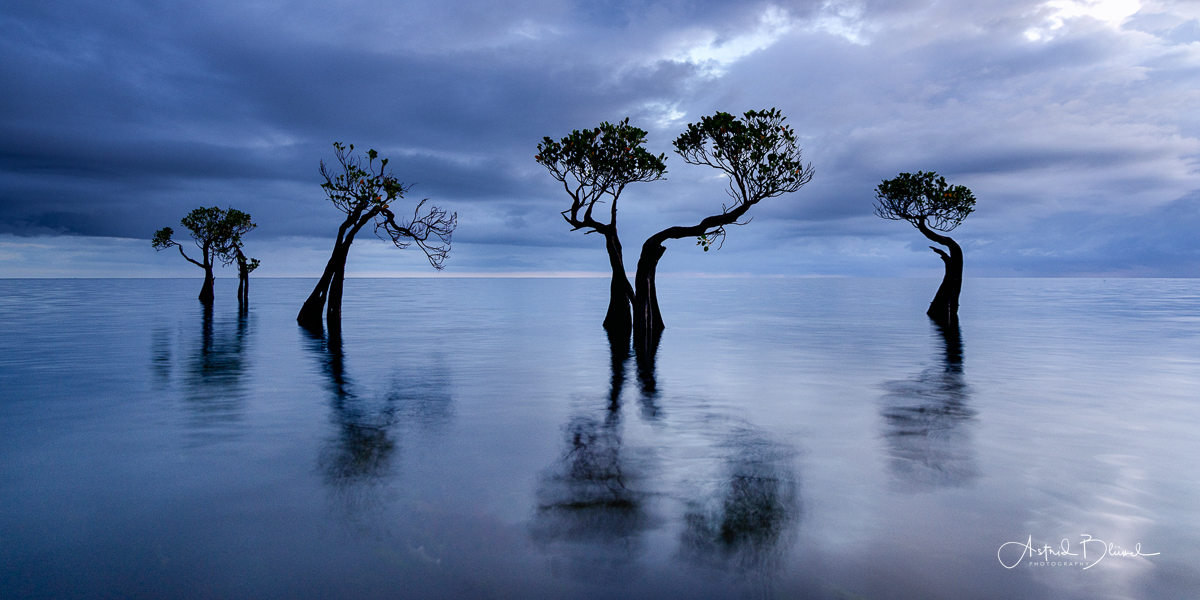
the Sumba dancing trees

BALI

MOUNTAIN VIEW

Rise at 4:30, leave at 5am in the pitch dark. It is raining. We drive for about 45min until we reach a lovely little hotel with a beautiful garden facing Mount Agung. It is still dark so we have plenty of time to have a coffee, they even have flat white here, this day is saved ! For a snack we get fried banana, which is very tasty. As soon as the light comes out, well, a little bit of light and many clouds, we try our best. The mountain is no where to be seen for the clouds, hardly any light, but below us are rice terraces, little houses, more terraces, a wonderful scene. Lacking background I focus on the green fields below, which really does look very cool as well. 
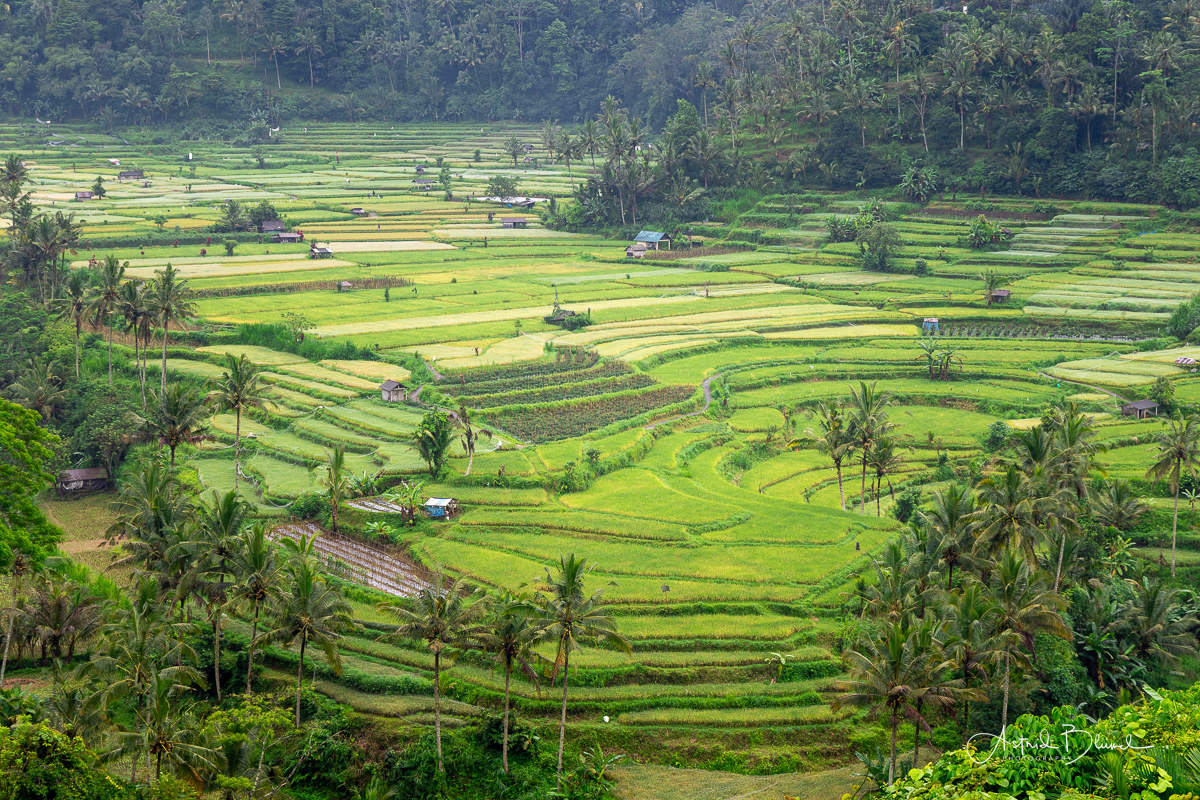
Ricefields at the foot of Mt Agung, no mountain in sight though
Read More»

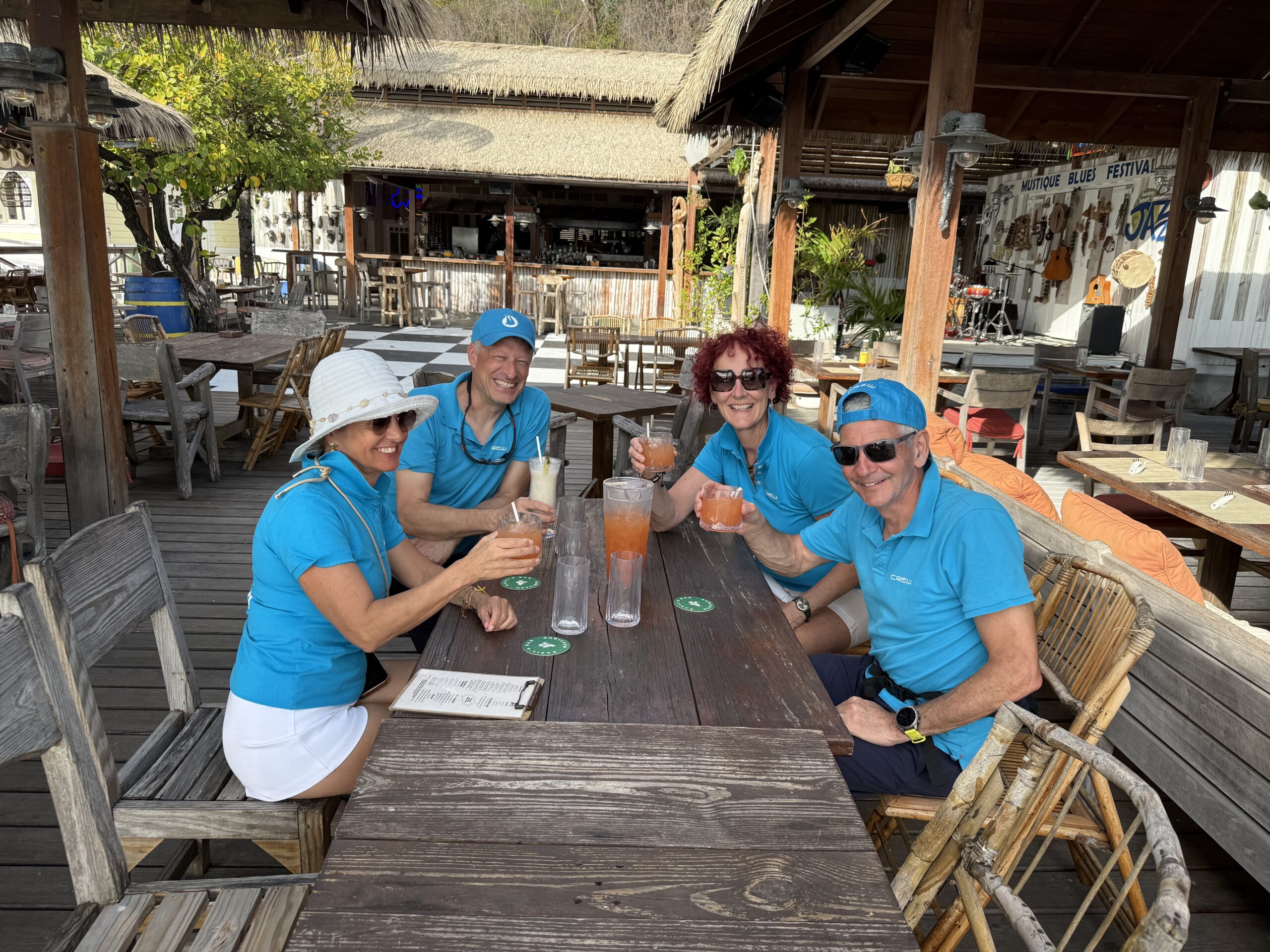
Sail the Caribbean

Tradewinds re-awakening

We did this trip in 2000. Back then we had no clue (or very little) about sailing an ocean, booked a cheap boat which we had to fix ever 2 days, picked the wrong season (no wonder it was so cheap), lots of rain called tropical waves, which ment a huge rain shower every 2 hours. And us girls, we were seasick most of the trip lying down below deck. 

So this time we did it the „luxury way“. Tradewinds re-awakening we called it, a nice boat (well, that was the plan), a one-way trip from St Lucia to Grenada, the wind always in our backs, good pills against seasickness which we hardly used, and mid March, sunny, warm and no rain (well, that was the plan). We wanted to visit all the cool spots we saw in 2000, sort of checking our „memory list“, to see if it was still so very cool in the Caribbean. Yes, it was ! 

2000

2026

Read More»

The Tsaatan Reindeer Herders of North Mongolia

THE TSAATAN REINDEER HERDERS

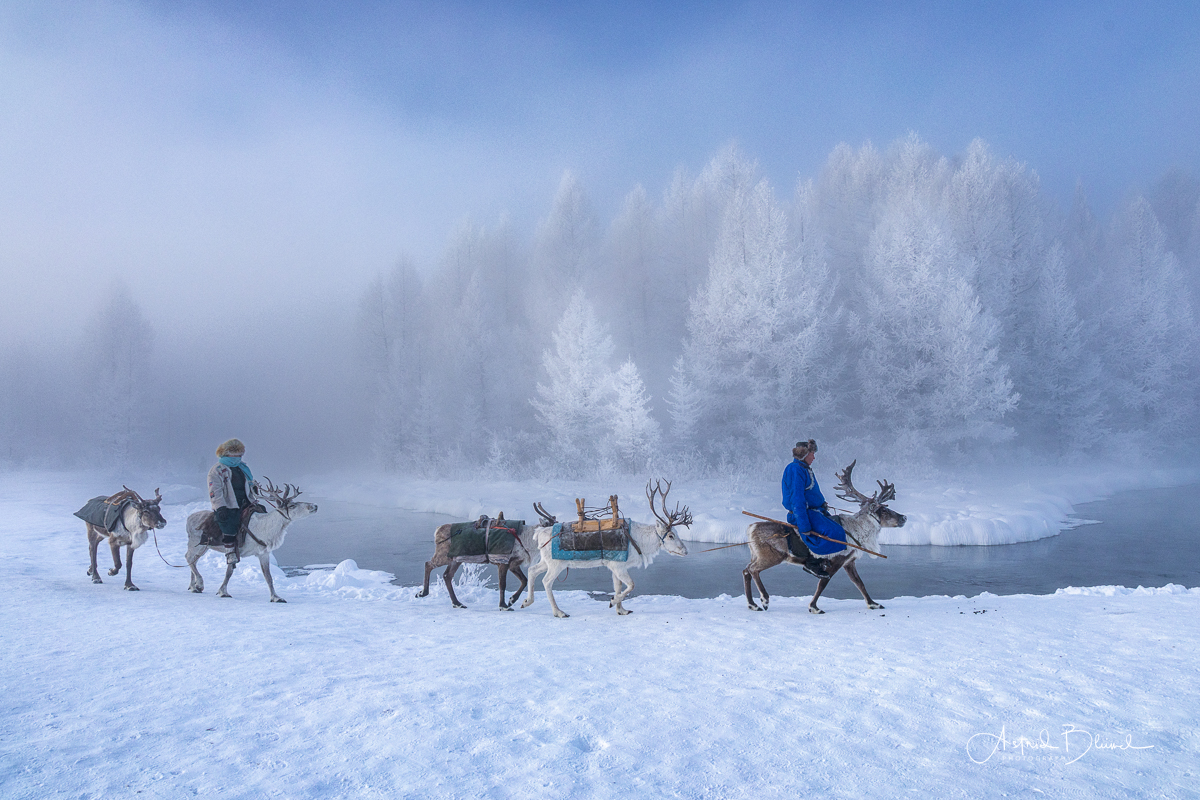
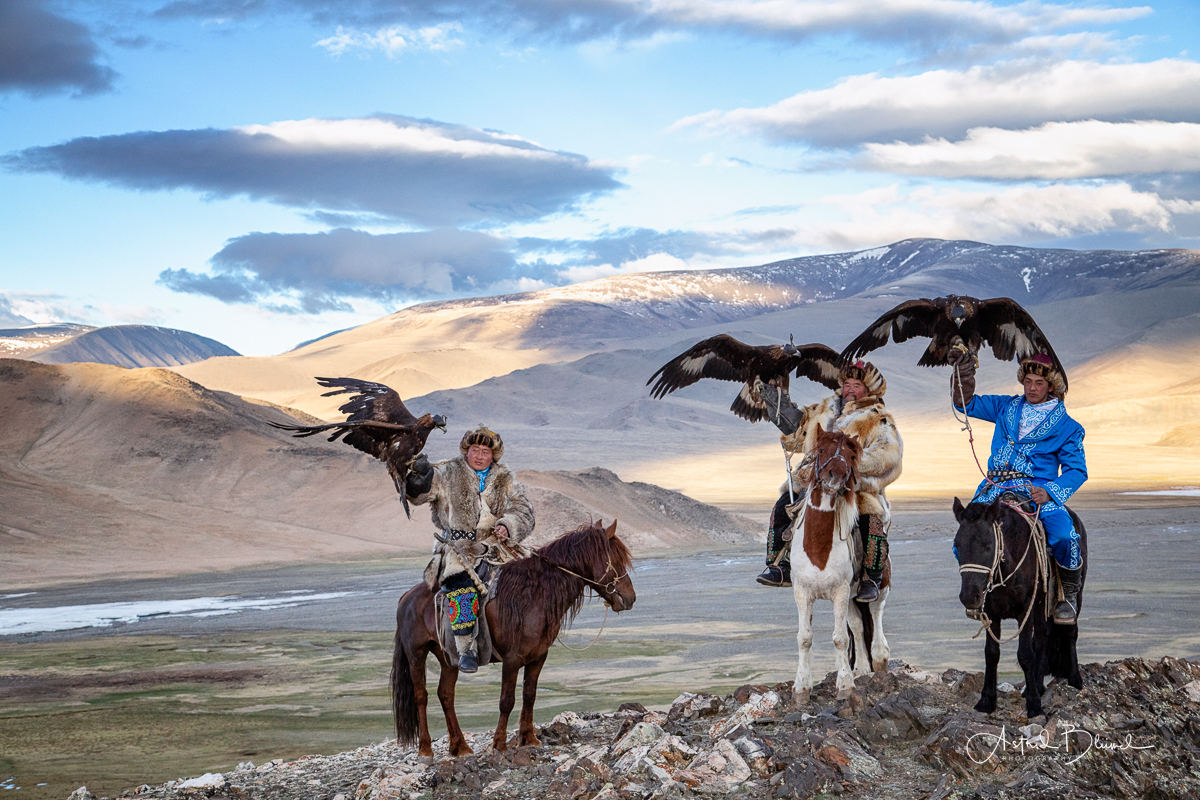
I have done some crazy trips, but I believe this one beats them all.  If you think Mongolia in Summer is an adventure and tough, try winter… it is 10x tougher ! We were unfortunate enough to experience an arctic cold front, temperatures dropped to -50°C.  We were in Northern Mongolia, but that is level with South Siberia, temperatures accordingly, so nothing for the old, weak and faint-hearted.  But I was ready for an adventure, and dressed up for a polar expedition with 5 layers of clothing. Just the bloody gloves, you have to take them off to properly handle your camera, (those zip things don’t really work) and then you freeze your fingers off. Believe it or not, the locals didn’t wear gloves at -30°C or warmer, boy oh boy…. 

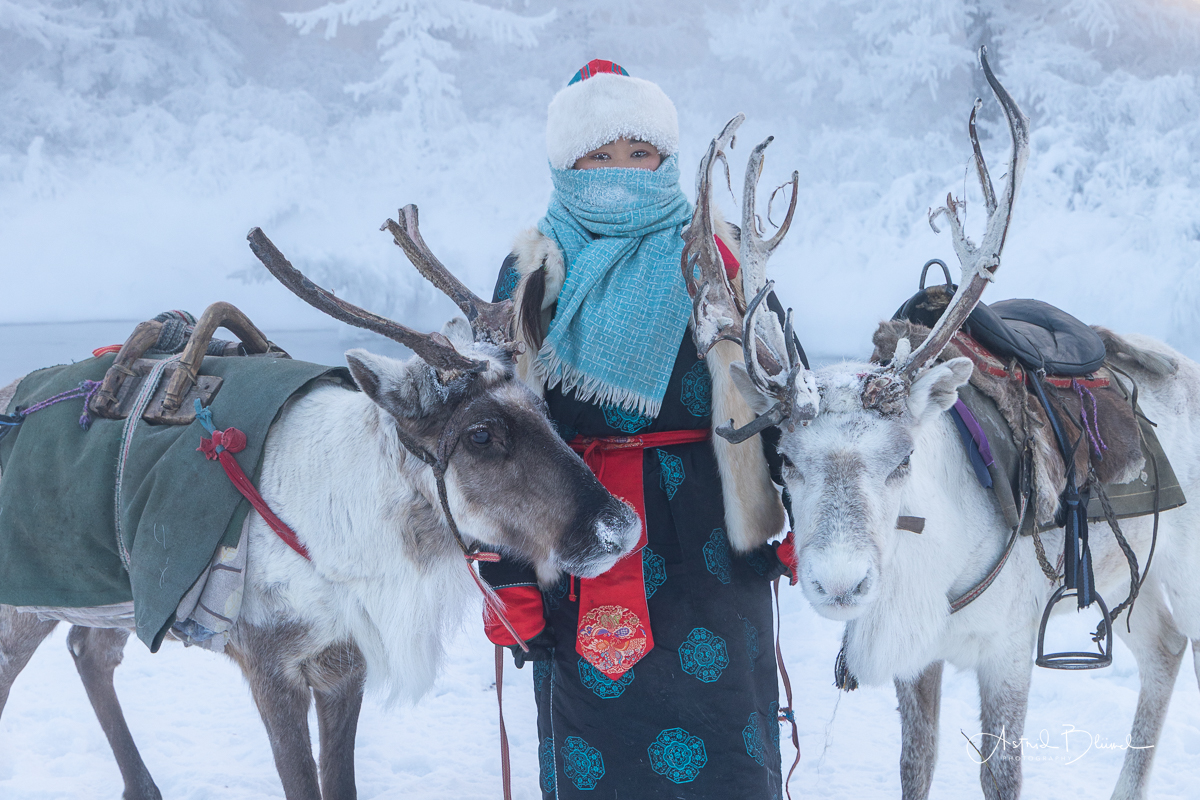
We were there to photograph the Tsaatan people also known as the Dukha. A nomadic tribe living deep within the taiga of northern Mongolia. They are among the very few remaining nomadic reindeer herding communities in the world. Today only approximately 400 Tsaatan individuals, about 70 to 80 families, live in small, tightly knit groups, entirely dependent on their reindeer herds for survival. The reindeer serve as means of transportation, are used for hunting, collecting firewood, seasonal migration and visiting relatives. They use the meat, the very nutricious milk and the skins for cover, clothing and boots.

The millennia old traditions today stand at a fragile crossroads. Without careful balance between cultural preservation, environmental protection and modern realities, one of the world’s last reindeer herding cultures risks fading into history.

Day 1

As I arrive in Ulan Batar the temperature is -27°C. The taxi’s windscreen is frozen from top to bottom, you can hardly see through. Even with the fan on super hot, only the bottom 20cm open up, just enough to see where we are going, luckily there is little traffic at this early hour. Welcome to Mongolia in winter !

Read More»

Masked cultures of Côte d’Ivoire

Cote d’Ivoire

Sacred masks and so much more

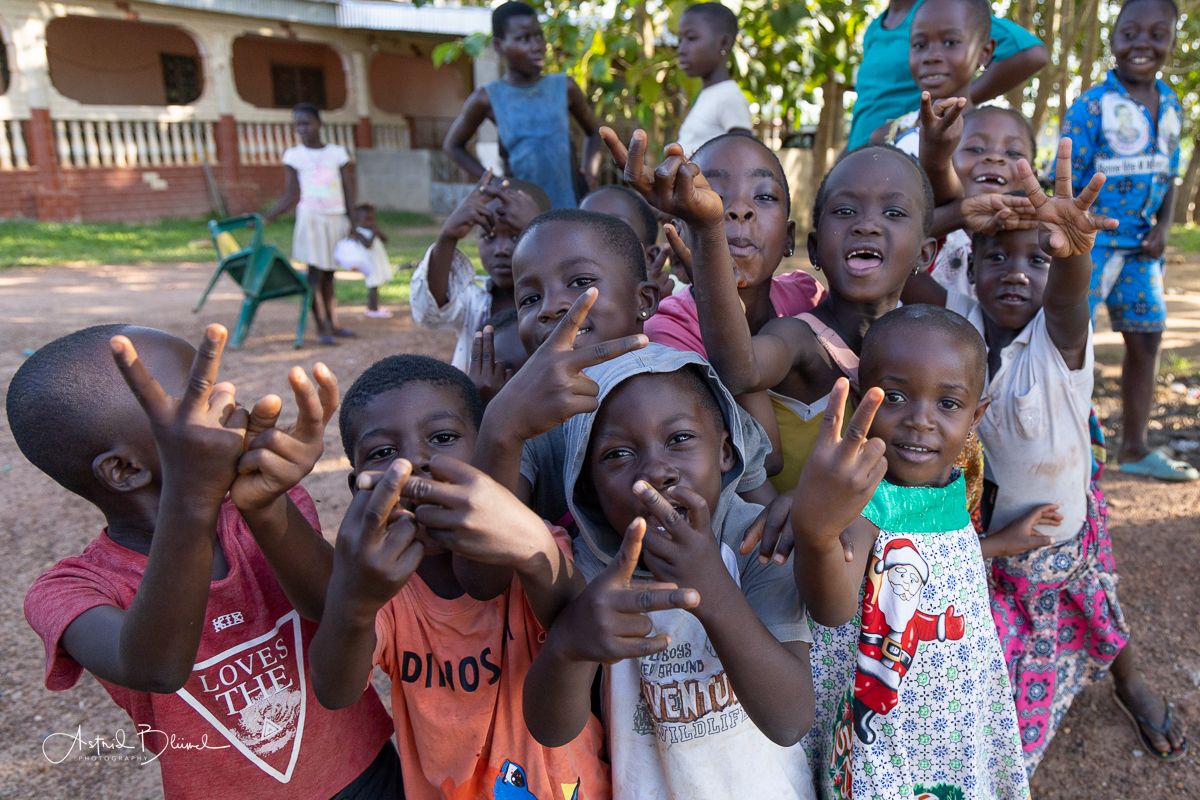
Another off-the-beaten-track trip. Arriving in the first village we were greeted by a whole load of kids all waving frantically and shouting something. As we asked our guide what they were saying, he smiled and replied: „white people, white people“. We are here to see the sights, but I believe we were the „sight of the day“ where ever we turned up. We did over 2000km in 2 weeks (on astonishingly good highways), and saw most of the lush and green country. We met wonderful people in remote authentic villages and learned about local crafts and crops. We witnessed ancient ritual dancing to the music of traditional instruments, where the whole town celebrated with the dancers and with us, and we saw acrobatics worthy of an Olympic diploma.

A welcome by the town kids

A welcome by the town kids

DAY 1: THE GOLI MASKS

We arrive in the capital Abidjan by Air France, which is easy, there are daily flights from Paris, not many tourists on the plane, I wonder who else is traveling there, beside us. After a night at a good airport hotel we start our adventure. We leave Abidjan for the town of Yamoussoukro, which is about 4 hours of driving on a massive 4-lane highway. The new president has started to build a superb road network throughout the country, the roads here are incredibly good. We check in to our 2* hotel and after waiting 2 hours for our lunch which we then gobble down, we leave for the town of Tiébissou. We are here to see a performance of the Goli masks. 

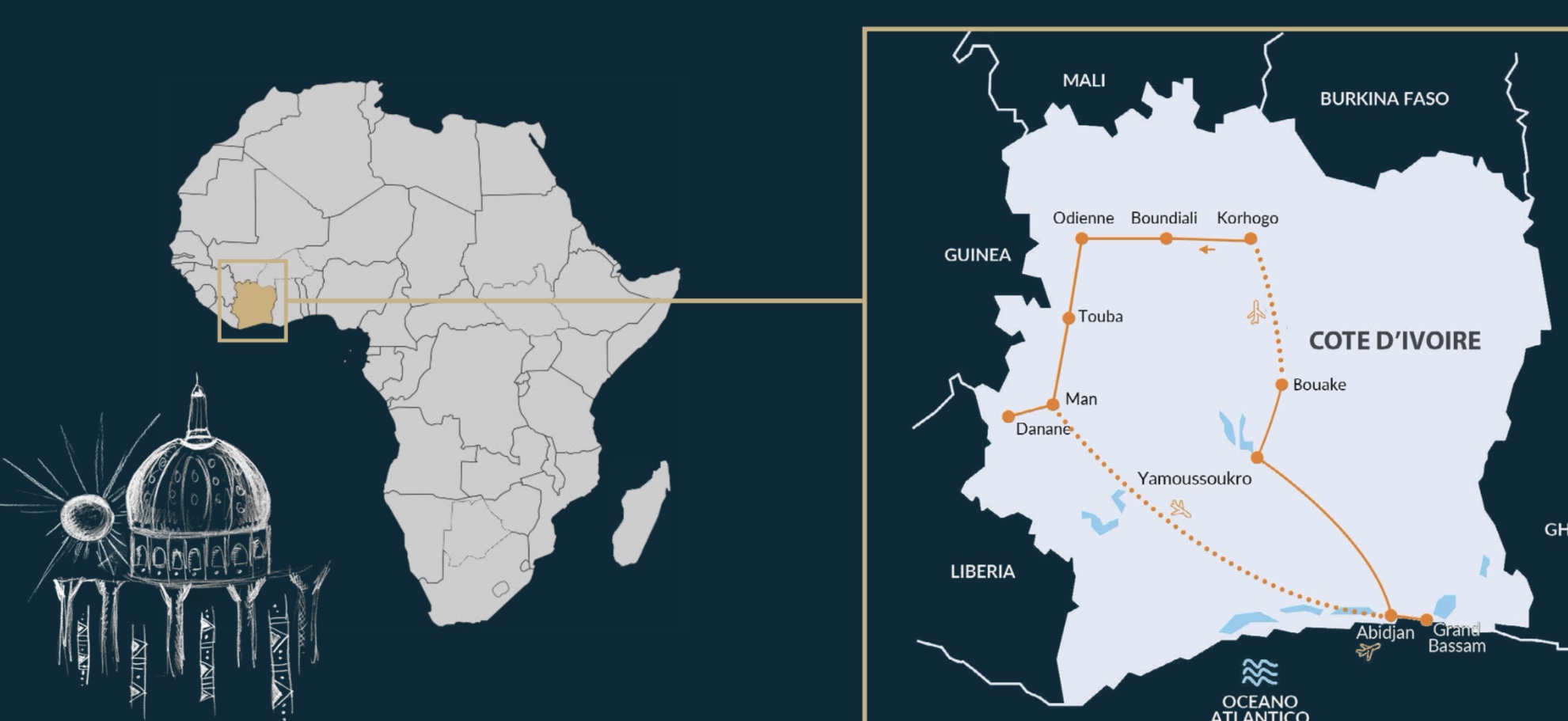
Map of Côte d’Ivoire

Read More»

Mongolia, Land of Chenggis Khan

MONGOLIA, Land of Chenggis Khan

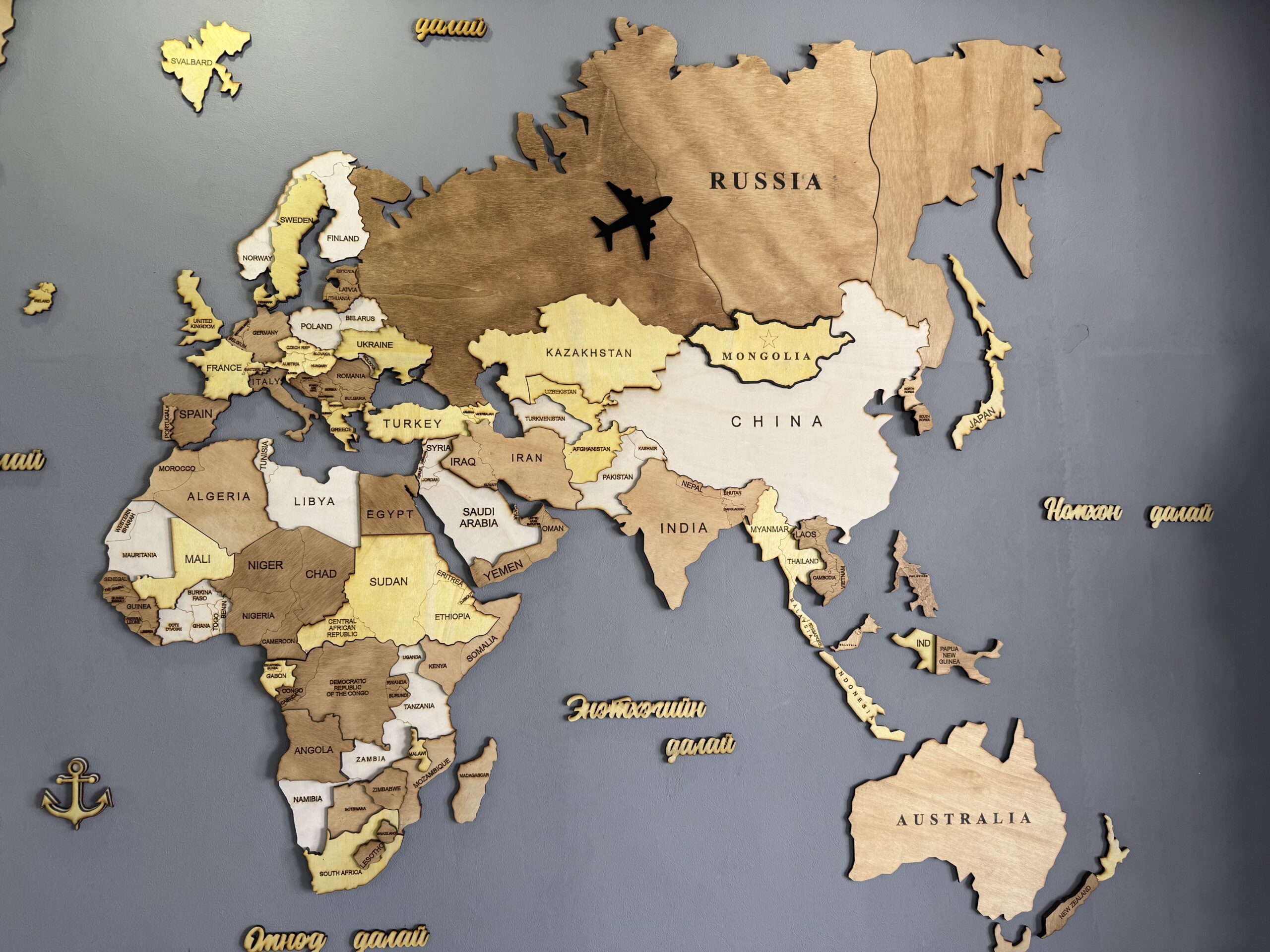
Have to admit I had to look this up. Mongolia is not your average tourist destination. I knew it was the land of Chenggis Khan who ruled somewhere in the 1200’s, of the eagle hunters and camel herders, and they love wrestling. I didn’t really know much more about it. But that is going to change right now.

It is big, about 1,5 million km2 (4x Germany) and only has 3 million people, of which more than 50% live in the capital, which we noticed first hand, the traffic is gruesome. Then about 20% are nomadic or semi-nomadic, it is the world’s most sparsely populated country. As we would notice later much of it’s area is covered by grassy steppe, some mountains in the north and west, the Gobi Desert in the south. Desertification is one of the biggest problems, there is hardly any agriculture but it is one of the 10 countries with best natural resources. So now you know!

Read More»